
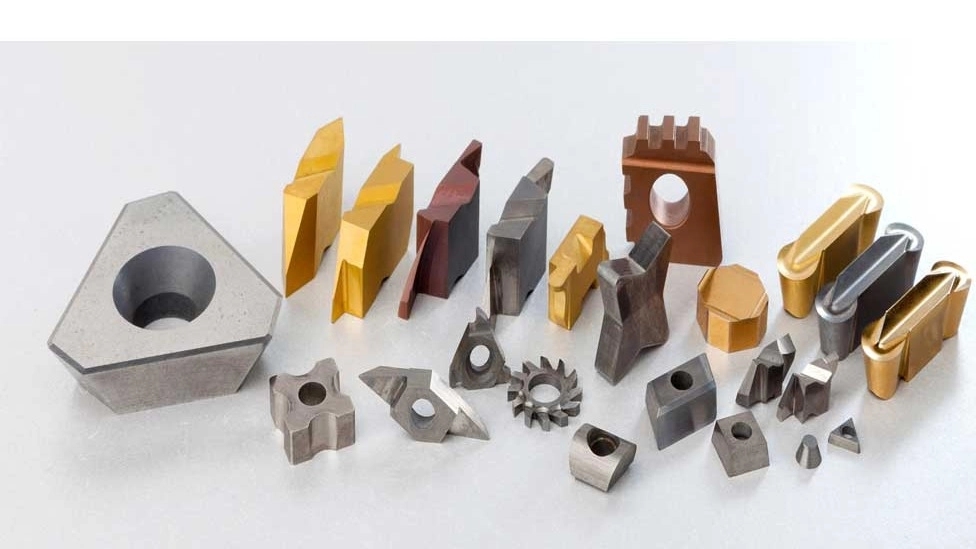
What is Tungsten Carbide?
Tungsten carbide production was first done by Moisan in ****. In fact, he accidentally achieved this compound during the reduction of tungsten oxide by carbon. A person named Williams was able to mass produce this compound in ****.
Tungsten carbide with the chemical formula WC consists of equal amounts of tungsten and carbon atoms. In its basic state, this material is in the form of a gray and very fine powder, which is transformed into various forms under pressure and in a process called sintering, and is used in all kinds of industrial machines, cutting tools, abrasives, etc.
One of the characteristics of tungsten carbide is its very high strength, so that its degree of hardness and density is twice that of steel.
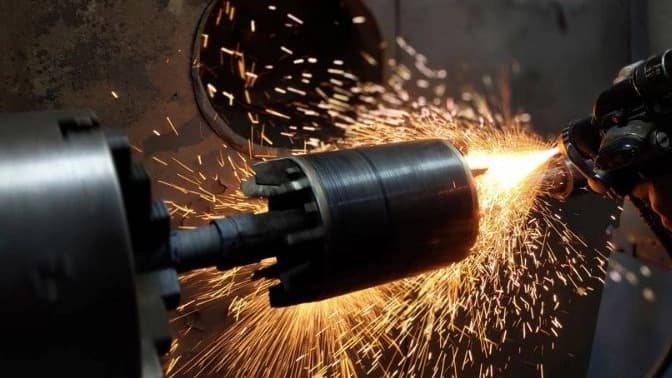
Tungsten Carbide Hardness
The molecular structure of tungsten carbide exists in two forms, which include cubic and hexagonal structures. Tungsten carbide has a high melting point, while its boiling point is about **** degrees Celsius. This metal is combined with molten cobalt and nickel in the form of an alloy.
Tungsten Carbide applications
As mentioned, tungsten carbide services have wide applications, especially in various industries. The most important applications of tungsten coating are:
Use in steel industries (high-alloy steel and superalloys)
Electrical and electronic industries
Use as tungsten filaments
Use as a ceramic glaze
Use in machinery and motor buildings
Use in the chemical industry
Use in the aviation industry
Use as a catalyst in chemical processes
Use in the production of wear-resistant materials
Tungsten Carbide Types
Tungsten carbide can be divided into different types according to its application and characteristics. Types of tungsten carbide are:
- Types of hard metal ingots and blocks
Carat and tungsten carbide polishing paste
Metal stretching powder in various types of small and large loads
Jewel drill bits and scraps
Types of tungsten polishing pastes
Powder file and diamond needle in different sizes
All kinds of round and cube razors in different dimensions
Tungsten carbide coatings
Using tungsten carbide coating is one of the methods of creating an anti-wear coating against the erosion of various parts in various industries. Since tungsten carbide has a high melting point and hardness, it creates a thermal and hard layer on the surface of the part that has good resistance to oxidation, corrosion, wear and erosion. This coating can be applied on all kinds of surfaces including iron, aluminum and titanium.
Benefits of Carbide Tungsten
The most important advantages of using tungsten carbide service coating process can be mentioned:
High strength of the piece
low vibration
Low porosity
High resistance to wear
Corrosion resistance
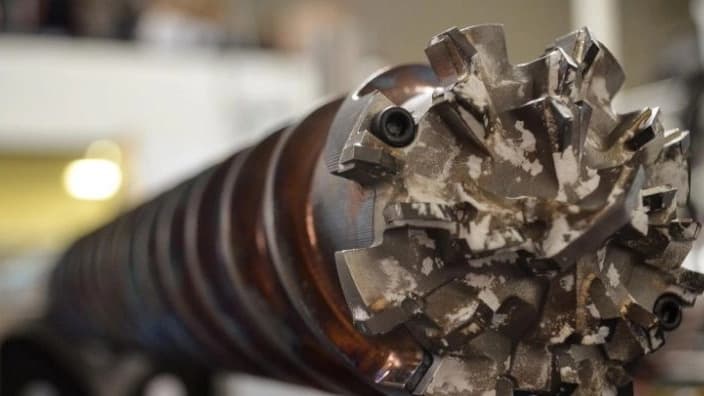
Tungsten Carbide Metal Spray Services
Metal spray services are among the restoration methods and manufacturing of parts and industrial facilities. In this process, tungsten carbide coating services are used to increase the surface resistance of the parts. In this method, a surface layer of tungsten carbide is created on the part, which prevents corrosion, wear and erosion of the part.
Tungsten carbide spray coating is usually used in severe wear conditions. The most important applications of that coating on parts in various industries include:
Steel industries
Power plant industries
Aviation industry
Oil, gas and petrochemical industries
etc... is
Tungsten Steel & Carbide Connection
This powder is produced with excellent chemical and mechanical properties. Tools made of tungsten carbide alone cannot be installed on lathes, and for this reason, these tools are installed on a steel base using brazing solder.
Types of Tungs and Tungsten Carbide
In the wire stretching process, it is necessary to make changes in the size of the wire. For this purpose, resistant doses with the highest degree of hardness are used. In this case, the wire will be changed to desired sizes by passing through the molds. To reach the desired diameter, the wire must be drawn more than one step from the mold. Tungsten carbide is used in this process. Generally, tension molds are usually made of steel and tungsten carbide or diamond.
Welding in Tungsten Carbide Services
Tungsten carbide welding means welding carbide to steel joints. The parts of this metal are used in the form of teeth and saw blades and welding blades. Since tungsten carbide has a large amount of cobalt on its surface, it is easily weldable. For tungsten carbide welding, there is no need to sharpen and use special alloys for this work. First, the steel body of the saw blade and the prepared tooth are connected to each other - the surface of the tooth is coated with cobalt - the presence of cobalt makes it easy to mix with steel metal. combined and create a very strong and resistant weld. The steel plate is heated in the welding process and the molten steel surrounds the teeth.